

Oil tanks are frequently overlooked by homeowners, but they are crucial to the security and efficiency of their houses. Property owners are responsible for the care and maintenance of their heating system as well as the oil storage tank. Inattention to your obligations could lead to severe environmental and financial issues in the near future.
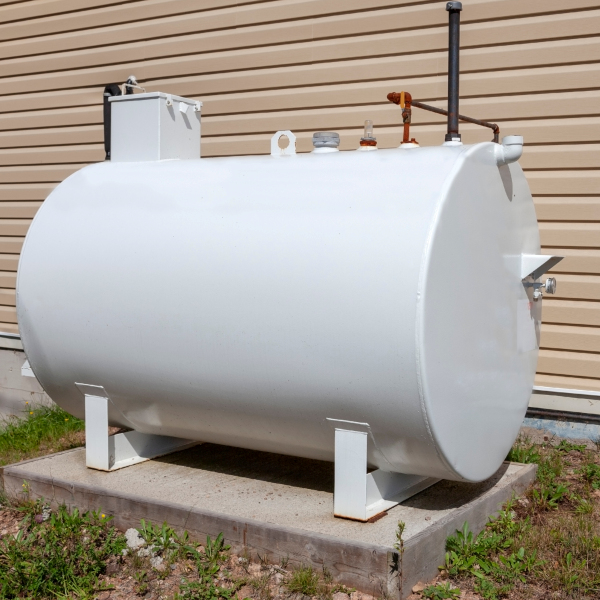
In the case of maintaining oil tanks, it is vital to know the ideal time to buy the replacement of a tank. Although proper maintenance will extend the life span of an oil storage tank It is a given that all tanks must be replaced. Costs to replace an old oil tank can vary according to various factors. This includes the dimensions, the type, location and complexity of installation.
Costs for replacing oil tanks in tanks of 275 gallons can vary from $1,500 to $3,600 based on variables such as the ones mentioned previously. It’s important to remember that some installation costs such as permits, labor and the disposal of an old tank, may not be included.
Oil tank replacement costs can be high, however they are not as expensive when you think about the expense of ignoring an old tank. A leak within an oil tank could result in significant environmental damage, in addition to fines and legal responsibility for the owner of the property. In winter, the tank that is leaking could result in the loss of heat that can be expensive and dangerous to repair.
To reduce the potential cost it is important to ensure regular maintenance and inspections for your oil tank. This includes visual inspections every year, as well as regular cleanings and leak monitoring. To avoid costly repairs, you should address any issues as soon become apparent.
There are many options to choose from when replacing the oil tank. The most common types of oil tanks are above ground and below-ground tanks. Above-ground oil tanks are usually more affordable and are easier to set up by installers however they can appear more obtrusive. Above-ground tanks are cheaper and more simple to install, however they may be more visually disruptive.
To ensure that the installation is safe, it’s essential to select an established company and has experience in replacement of oil tanks. A skilled professional will not only make sure that the installation of the tank is done properly and safely, but they will also remove the old tank and any other hazardous materials.
Other than regular maintenance and a proper installation, property owners can also take advantage of other ways to prolong the life of their oil tank. They include:
1. Maintaining your tank’s capacity will help to prevent the development of corrosion.
2. A high-quality fuel is recommended. This helps prevent sediment from building up inside the tank. This could cause damage and blockages to the fuel line.
3. The area around the tank free of any vegetation or debris. This will help to stop inspections and damages.
4. Monitoring for leaks frequently can help you identify problems early, prior to them escalating and cost you a lot to fix.
Anyone who owns a property with an oil-fired unit should think about replacing the tank. While the price can differ according to a variety of factors, failing to take care of the need of replacement could cause significant environmental and financial damages. Maintaining a regular schedule of maintenance and inspections, as as choosing a reputable and skilled installer, will help to ensure a secure and efficient installation that will provide an efficient heating system for decades to be.
For more information, click how much does it cost to replace an oil tank