

In the ever-changing landscape of connectivity to the internet, companies both large and small depend on IP transit to provide uninterrupted access to the digital world. IP Transit is the core for modern communications networks. It is the power behind everything from cloud services to online shopping platforms. We will examine the basics of IP transport, as well as the features and functions of IP providers.
IP transit, often referred to as internet transit, is the service of allowing network traffic to cross or “transit” a network, enabling users to connect to the wider internet. IP transit providers are firms who own the infrastructure to transfer data packets across networks. These providers are crucial in making sure that internet connectivity is safe and effective for companies and users.
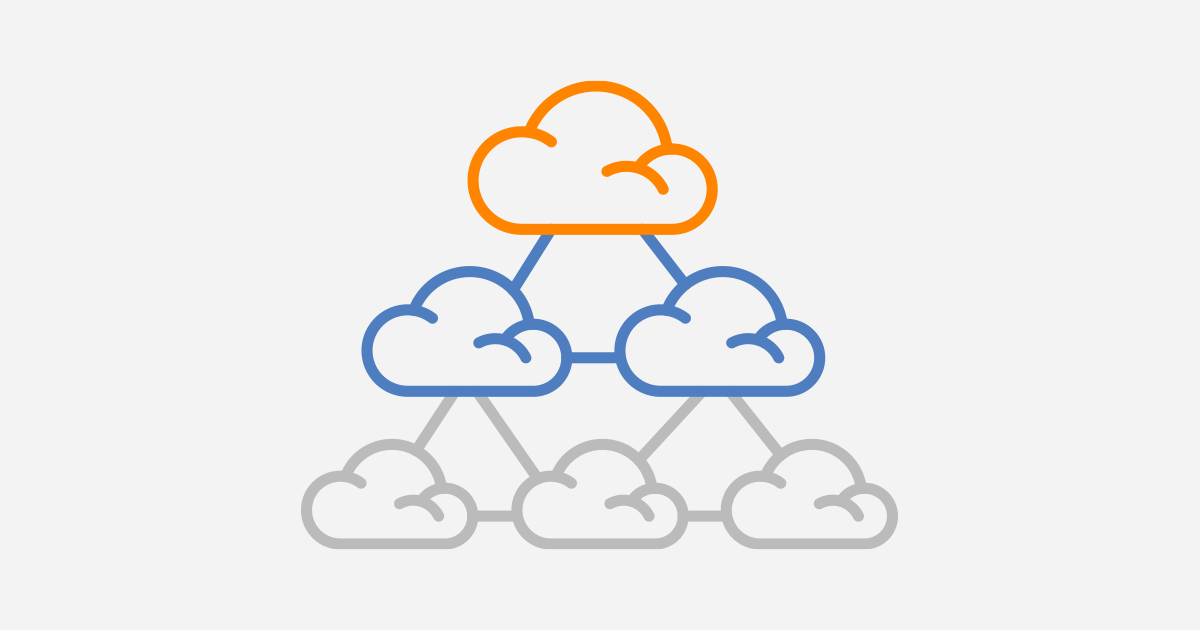
When it comes to IP transit services, businesses have a range of options to choose from. Certain providers provide basic transit services, which provide access to the internet without additional features or customization. Some offer more sophisticated services like managed IP transit that includes additional support, monitoring, as well as security options. The selection of a service is based on the particular needs and requirements of the company.
Pricing is among the most important considerations in the selection of the best service. IP transit pricing can vary greatly based on factors like bandwidth requirements geographical location, bandwidth requirements, and service level agreements. Understanding pricing structures, cost models and levels of service that different service providers offer will help businesses make informed choices.
Companies should take into consideration not just the cost, but the reliability and performance offered by the IP transit service provider. Carrier-grade networks featuring 100G and 400G backbone connectivity provide the reliability and scalability needed to help mission-critical applications and services. End-to-end automation improves the efficiency of operations and creates an unbeatable user experience.
For companies looking to simplify their network connectivity, IP-Access offers a customizable and flexible solution. This solution is perfect for companies with older installations or unique requirements. Businesses can alter their connectivity by utilizing features such as IPv4/31 or IPv6/127. default transfer networks.
In terms of internet connectivity, IP-Access comes with the basic DDoS protection against attacks that are volumetric, offering an added layer of security for networks and businesses. This security can guard against potential revenue loss and interruptions due to cyber-related threats.
For all businesses, Inter.link Portal offers a practical and efficient method to use IP transit. With just a few clicks, businesses can configure and implement IP transit within minutes, choosing their preferred locations, bandwidth requirements, port speed and duration of contract. This makes the process easier and helps save time and resources. Companies can now focus on their core business.
IP Transit is vital to the internet of today. It allows companies to connect to, collaborate and communicate with other businesses across the world. Businesses can make better business decisions by having a thorough understanding of IP transit basics, IP transit providers’ roles, services offered and their pricing. IP Transit is at the heart of modern communications networks, be it to connect cloud-based services, powering platforms like ecommerce, or connecting distant offices.