

For those new to the concept, a Gantt chart is a specific type of bar chart meticulously designed to visualize project schedules. Its main purpose is to present a time-line of a project along with its many components that include tasks, subtasks, goals, and milestones. The performance of any project hinges on the visualisation.
The Gantt chart is an effective tool in project management because of its visual clarity. The ability of the chart to show the timelines and dependencies helps project managers and their team to easily identify the critical process for completing projects. This includes knowing what tasks need to be completed first, what is possible to run concurrently, and where potential bottlenecks could arise.
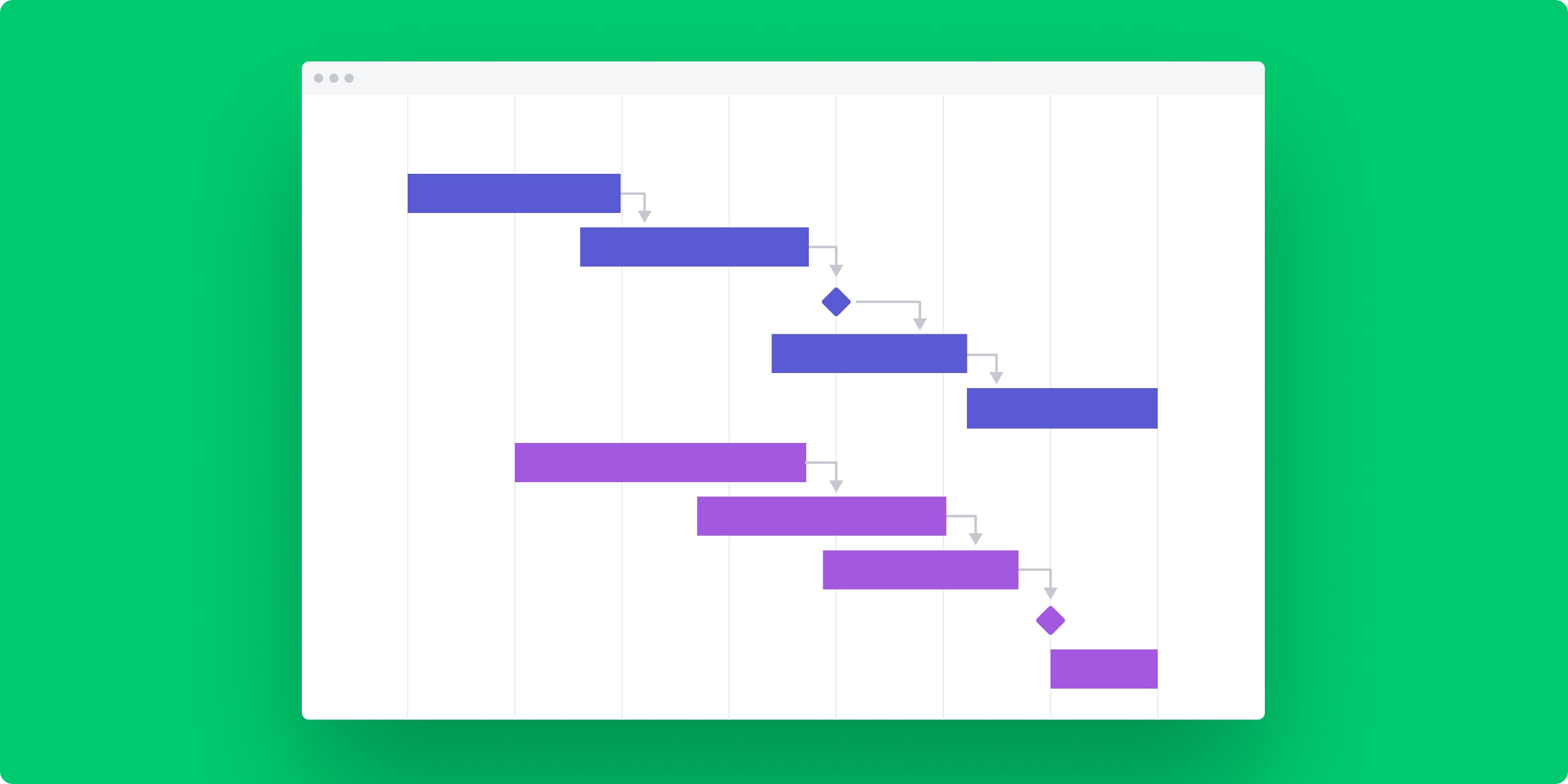
The critical path is the sequence of projects that, if delayed, can extend the overall project timeline. The critical path needs to be identified and monitored to ensure that the projects are finished on time. Gantt charts help simplify and clarify this process. Through the analysis of the chart project managers can identify those tasks that are crucial and allocate resources accordingly to stop delays.
A Gantt chart is typically composed of a horizontal timeline that represents the duration of a project, along with a set of vertical bars or lines to represent each task and its start and finish dates. Each bar represents a task, and the location of these bars shows the relationships between them. Milestones to mark major achievements of a project are usually marked by using particular symbols or colors.
Gantt charts aren’t just helpful for project managers. They also assist in team collaboration. Each team member has access to a complete overview of the timeline for the project as well as their own responsibilities. This shared understanding of project goals and progress results in an environment of collaboration where everyone is on the exact same level.
Gantt charts can also be useful for evaluating the progress of a project. Team members and stakeholders are able to quickly evaluate the state of every task and the overall project by taking a single glance at the chart. This instantaneous visibility guarantees that any potential issues or delays can be discovered early, allowing rapid adjustments and mitigations.
Gantt charts are a versatile tool that can be utilized for a variety of project types. Gantt charts are a flexible system that can be adapted to the specific requirements of your business, whether you’re managing software development projects that have many tasks in coding or construction projects that have complex dependencies or marketing campaigns with numerous deliverables.
Gantt Charts: A Magical Tool for Project Success
Imagine a scenario in which an executive of a construction company decides to embark on the construction of an office. The construction project comprises a wide range of tasks, from the construction of the site, and the foundations being laid to the interior design. In the event of delays, it could affect the deadline for completion.
With the help of a Gantt Chart the project manager can organize and monitor each step with accuracy. The dependencies are now evident. Interior design needs to be completed before foundation work is completed, landscaping work can begin as a parallel task to other ones. The critical path, perhaps consisting of structural work, is identified, and resources are allocated accordingly.
Project Management Tools of the Best: Gantt Charts in Focus
Gantt charts are an excellent instrument for project managers who have years of experience. These tools help streamline project planning and execution. Visual aids help teams to work in tandem on their goals, align them with the overall project and react promptly to deviations from their plans.
Gantt charts keep projects on schedule.
In the end, what sets Gantt charts apart is their ability to keep projects on track and guarantee on-time delivery. Gantt Charts provide project managers with complete information about the timelines and dependencies. They also permit them to make changes and to make decisions.
In today’s dynamic environment of project management, where unforeseen challenges and changing priorities are commonplace, the Gantt chart is a reliable all-weather friend. Its simplicity, flexibility, and ability to show the project’s success make it a vital instrument for every manager who is striving to become an excellent manager. You should consider using Gantt charts as a way to help you maximize the potential of your project and deliver it on time.