The disc bulge is a typical cause of back pain and discomfort affecting millions of people worldwide. Conditions such as superimposed central disc protrusion, disc bulge that is abutting the nerve root, an eccentric disc bulge, and paracentral protrusion can be a contributing factor to severe pain and mobility issues. Recognizing these conditions and looking for effective treatment options is crucial for reducing pain and improving your quality of life. Dr. Ken Nakamura is a chiropractor who can provide valuable insight into these conditions. Dr. Nakamura also offers guidance on how to effectively manage these conditions.
What exactly is a disc bulge?
The intervertebral disk which serves as a cushion in between the vertebrae extends past its boundaries, a disc bulge is the result. This may be due to degeneration, wear and tears as well as injury over the course of. Disc bulges vary in severity. They can be minor protrusions which cause no or minimal discomfort, or they can be larger bulges that may cause significant pain.
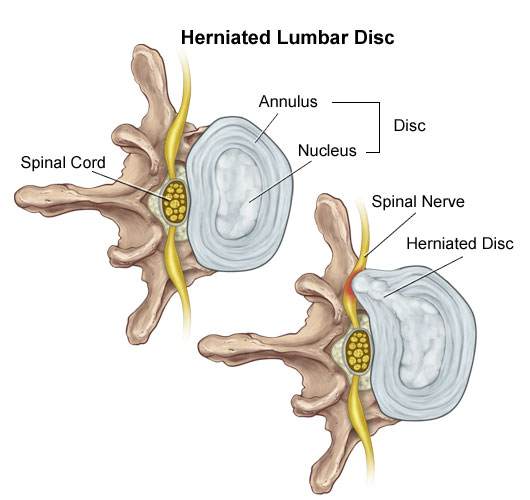
Superimposed Central Disc Protrusion
Central disc protrusions superimposed are a type of disc bulge that is found centrally within the spinal canal. Dr. Ken Nakamura says that this protrusion could lead to spinal cord compression or nerve root compression, which may cause symptoms such as numbness, pain or weakness. This protrusion is located in the middle of the spine, this means it is able to affect both sides of your body.
Disc Bulge Abutting Nerve Root Treatment
A disc bulge that touches a nerve can cause extreme pain and neurological signs like sciatica. Sciatica is a nagging pain that radiates out from the rear of the leg. The pressure on the nerve root can cause inflammation, pain, and even the loss of functionality if left untreated.
Dr. Nakamura explains how disc bulges which are located near nerve roots are addressed using a combination of both conservative and, occasionally, interventional methods. Physical therapy, anti-inflammatory drugs and a modification of activity can be used as treatments for reducing pressure on affected nerves. In severe cases of nerve compression epidural injections or surgery may be necessary to offer relief.
Eccentric Disc Bulge
Eccentric disc bulge refers to a bulge that is not in the center and usually on one side. The type of bulge could cause unilateral symptoms, meaning that pain and other problems are usually noticed on one side the body. Eccentric discs bulges may be troublesome, since they could cause pain, tingling or weakness in an region.
Dr. Nakamura stresses that physical therapy is commonly utilized to increase flexibility and strengthen muscles around the spine. This can alleviate the symptoms and lessen the pressure on discs affected by it. In some instances treatment options that are not surgical, like spinal decompression therapy may be recommended to minimize the bulge and ease pressure on the nerve.
Paracentral Protrusion
Paracentral protrusion is a type of disc bulge that occurs near the center but slightly to one side of the spinal canal. It may also result in nerve root pressure, which is similar to other kinds of bulges. The symptoms include discomfort, numbness and tingling.
Dr. Nakamura suggests that paracentral protrusions can be treated using various therapies, including conservative ones. This includes physical therapy and pain management strategies and lifestyle changes. In more severe cases, surgical intervention may be necessary to remove the protruding disc tissue and relieve the nerve that is affected.
Controlling Disc Bulge-Related Pain
Management of disc-bulge pain depends on the severity and signs. For mild-to-moderate cases of disc bulge the treatment that is conservative can be effective at reducing pain while improving the function. These may include:
Physical therapy: Specific exercises designed to strengthen the muscles supporting the spine and improve flexibility.
Pain Management: Employs medication such as anti-inflammatory drugs to manage the discomfort, reduce inflammation and ease muscle tension.
Lifestyle adjustments: Make modifications to your daily routines to avoid the condition from deteriorating. For example, assuming the correct posture, making adjustments to your ergonomics and avoiding heavy lifts.
Interventional Therapies – In cases in which conservative treatment is not enough, other options could be considered, including epidural steroids injections, or minimally invasive surgical procedures.
The final sentence of the article is:
It is essential to comprehend the differences between conditions like superimposed disc protrusions and disc bulges that touch neural roots, disc bulges, and paracentral protrusions for effective management of the pain. Dr. Ken Nakamura emphasizes that it is crucial to identify the symptoms, seek appropriate treatment, and improve the overall quality of life. It is important to manage disc bulges, either through conservative methods or, in some instances, surgery for those who want to lead a life free of discomfort.


Paracentral Protrusion: Navigating Treatment Options For Back Pain
The disc bulge is a typical cause of back pain and discomfort affecting millions of people worldwide. Conditions such as superimposed central disc protrusion, disc bulge that is abutting the nerve root, an eccentric disc bulge, and paracentral protrusion can be a contributing factor to severe pain and mobility issues. Recognizing these conditions and looking for effective treatment options is crucial for reducing pain and improving your quality of life. Dr. Ken Nakamura is a chiropractor who can provide valuable insight into these conditions. Dr. Nakamura also offers guidance on how to effectively manage these conditions.
What exactly is a disc bulge?
The intervertebral disk which serves as a cushion in between the vertebrae extends past its boundaries, a disc bulge is the result. This may be due to degeneration, wear and tears as well as injury over the course of. Disc bulges vary in severity. They can be minor protrusions which cause no or minimal discomfort, or they can be larger bulges that may cause significant pain.
Superimposed Central Disc Protrusion
Central disc protrusions superimposed are a type of disc bulge that is found centrally within the spinal canal. Dr. Ken Nakamura says that this protrusion could lead to spinal cord compression or nerve root compression, which may cause symptoms such as numbness, pain or weakness. This protrusion is located in the middle of the spine, this means it is able to affect both sides of your body.
Disc Bulge Abutting Nerve Root Treatment
A disc bulge that touches a nerve can cause extreme pain and neurological signs like sciatica. Sciatica is a nagging pain that radiates out from the rear of the leg. The pressure on the nerve root can cause inflammation, pain, and even the loss of functionality if left untreated.
Dr. Nakamura explains how disc bulges which are located near nerve roots are addressed using a combination of both conservative and, occasionally, interventional methods. Physical therapy, anti-inflammatory drugs and a modification of activity can be used as treatments for reducing pressure on affected nerves. In severe cases of nerve compression epidural injections or surgery may be necessary to offer relief.
Eccentric Disc Bulge
Eccentric disc bulge refers to a bulge that is not in the center and usually on one side. The type of bulge could cause unilateral symptoms, meaning that pain and other problems are usually noticed on one side the body. Eccentric discs bulges may be troublesome, since they could cause pain, tingling or weakness in an region.
Dr. Nakamura stresses that physical therapy is commonly utilized to increase flexibility and strengthen muscles around the spine. This can alleviate the symptoms and lessen the pressure on discs affected by it. In some instances treatment options that are not surgical, like spinal decompression therapy may be recommended to minimize the bulge and ease pressure on the nerve.
Paracentral Protrusion
Paracentral protrusion is a type of disc bulge that occurs near the center but slightly to one side of the spinal canal. It may also result in nerve root pressure, which is similar to other kinds of bulges. The symptoms include discomfort, numbness and tingling.
Dr. Nakamura suggests that paracentral protrusions can be treated using various therapies, including conservative ones. This includes physical therapy and pain management strategies and lifestyle changes. In more severe cases, surgical intervention may be necessary to remove the protruding disc tissue and relieve the nerve that is affected.
Controlling Disc Bulge-Related Pain
Management of disc-bulge pain depends on the severity and signs. For mild-to-moderate cases of disc bulge the treatment that is conservative can be effective at reducing pain while improving the function. These may include:
Physical therapy: Specific exercises designed to strengthen the muscles supporting the spine and improve flexibility.
Pain Management: Employs medication such as anti-inflammatory drugs to manage the discomfort, reduce inflammation and ease muscle tension.
Lifestyle adjustments: Make modifications to your daily routines to avoid the condition from deteriorating. For example, assuming the correct posture, making adjustments to your ergonomics and avoiding heavy lifts.
Interventional Therapies – In cases in which conservative treatment is not enough, other options could be considered, including epidural steroids injections, or minimally invasive surgical procedures.
The final sentence of the article is:
It is essential to comprehend the differences between conditions like superimposed disc protrusions and disc bulges that touch neural roots, disc bulges, and paracentral protrusions for effective management of the pain. Dr. Ken Nakamura emphasizes that it is crucial to identify the symptoms, seek appropriate treatment, and improve the overall quality of life. It is important to manage disc bulges, either through conservative methods or, in some instances, surgery for those who want to lead a life free of discomfort.
Subscribe
Table of Contents
Recent Post
Why Technical SEO Still Matters for Growing Websites
Site growth is often limited not by content quality alone, but by technical issues that slow down crawling,
Exciting_reels_and_Fishin_Frenzy_payouts_for_dedicated_slot_enthusiasts
Exciting reels and Fishin Frenzy payouts for dedicated slot enthusiasts Understanding the Mechanics of the Game The Role
Bonus fırsatları Mariobet giris guncel ile
Mariobet Türkiye: En İyi Çevrimiçi Spor Bahis Sitesi Türkiye’de güvenilir, güvenli ve eğlenceli bir çevrimiçi spor bahis sitesi
Bonus fırsatları Mariobet giris guncel ile
Mariobet Türkiye: En İyi Çevrimiçi Spor Bahis Sitesi Türkiye’de güvenilir, güvenli ve eğlenceli bir çevrimiçi spor bahis sitesi
Bonus fırsatları Mariobet giris guncel ile
Mariobet Türkiye: En İyi Çevrimiçi Spor Bahis Sitesi Türkiye’de güvenilir, güvenli ve eğlenceli bir çevrimiçi spor bahis sitesi
Bonus fırsatları Mariobet giris guncel ile
Mariobet Türkiye: En İyi Çevrimiçi Spor Bahis Sitesi Türkiye’de güvenilir, güvenli ve eğlenceli bir çevrimiçi spor bahis sitesi
Subcribe To Our Newsletter