

Neck discomfort has become increasingly common in modern life due to long hours at desks, frequent smartphone use, stress, and poor posture habits. The cervical spine supports the weight of the head while allowing essential movements such as turning, bending, and looking upward. When the muscles and joints around this area become strained, stiffness and reduced mobility can affect daily comfort and productivity.
Many people are exploring neck traction at home as a simple, non-surgical approach to support neck flexibility and relieve everyday tension. Home traction techniques focus on gentle stretching of the cervical area, helping users create a more balanced routine for spinal care. When combined with good posture, regular movement, and healthy lifestyle habits, neck traction may become a valuable part of maintaining overall neck wellness.
Key Takeaways
- Neck traction at home can help support cervical flexibility and reduce everyday muscle tension when performed correctly.
- Gentle stretching techniques, proper posture, and consistent habits are important for long-term neck health.
- Safe traction practices focus on gradual progress, comfort, and avoiding unnecessary strain.
Understanding Neck Traction at Home and Its Benefits
The neck contains a complex structure of vertebrae, muscles, ligaments, and nerves that work together to support movement and stability. Because of its constant activity, the cervical region can become affected by daily stress and repetitive habits.
Poor workplace ergonomics are a major contributor to neck tension. Sitting at a computer for several hours, leaning forward while using digital devices, or working without proper support can place additional pressure on the neck muscles. Over time, these habits may contribute to stiffness and discomfort.
Neck traction at home is designed to gently stretch the cervical spine and encourage relaxation of surrounding muscles. By creating controlled tension, traction may help improve comfort and support natural mobility.
One of the main advantages of home traction is convenience. Instead of relying only on occasional appointments, individuals can incorporate gentle neck care into their daily routine. A few minutes of controlled stretching may help counteract the effects of prolonged sitting and repetitive posture habits.
However, it is important to understand that traction is not suitable for everyone. People with serious neck injuries, certain spinal conditions, or unexplained symptoms should seek advice from a healthcare professional before beginning any traction routine.
Simple Neck Traction Techniques for Daily Use
There are several gentle methods that can support a healthy neck stretching routine. The goal is not to force movement but to encourage relaxation, flexibility, and better posture awareness.
One simple technique involves gentle neck stretching movements. Slowly tilting the head from side to side or turning the neck within a comfortable range can help release muscle tension. These movements should always be controlled and performed without sudden motions.
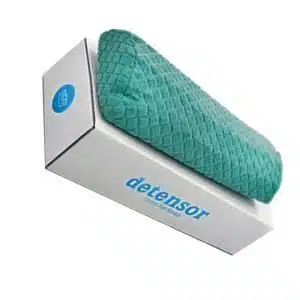
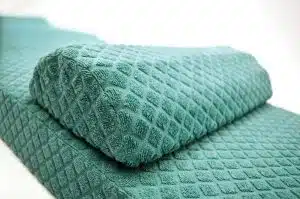
Another approach is using a cervical traction device designed for home use. Quality devices provide structured support and allow users to apply gentle stretching while maintaining a comfortable position. Adjustable settings are especially useful because they allow beginners to start with lower intensity and gradually progress.
Posture correction exercises also complement traction routines. Strengthening the muscles around the neck, shoulders, and upper back can help support better alignment and reduce strain caused by poor positioning.
Breathing and relaxation techniques can further improve the experience. Deep, steady breathing helps the body relax during stretching, allowing muscles to release unnecessary tension.
Consistency is more important than intensity. Short, regular sessions are often more beneficial than occasional aggressive stretching because they allow the body to adapt gradually.
Creating a Safe Neck Traction Routine at Home
Safety should always be the priority when performing any type of spinal stretching. A well-designed routine begins with understanding your comfort level and avoiding excessive pressure.
Start with short sessions and gentle traction. The stretching sensation should feel comfortable and controlled rather than painful. If you experience sharp pain, dizziness, numbness, or unusual symptoms, stop the activity and consult a healthcare professional.
Choosing the right equipment also makes a difference. A suitable neck traction device should provide ergonomic support, comfortable materials, and adjustable settings. Devices that allow users to control the level of stretching are generally easier to personalise according to individual needs.
Creating an ergonomic daily environment can improve results. Adjusting computer screens to eye level, using supportive seating, and taking regular breaks from sitting can reduce unnecessary stress on the cervical spine.
A complete neck care routine may also include light strengthening exercises, regular walking, and mobility activities. Supporting the muscles around the spine helps maintain stability and encourages healthier movement patterns.
Lifestyle Habits That Support Better Neck Health
While traction can provide valuable support, long-term neck wellness depends on daily habits. Many cases of neck tension are linked to lifestyle factors that can be improved with simple adjustments.
Taking frequent movement breaks during work is one effective strategy. Standing up, stretching the shoulders, and changing positions throughout the day can prevent muscles from becoming stiff.
Sleep habits also matter. Using a comfortable pillow that supports the natural curve of the neck can help maintain better alignment during rest.
Stress management should not be overlooked. Emotional stress can contribute to muscle tension, particularly around the neck and shoulders. Relaxation techniques, breathing exercises, and regular physical activity can support overall comfort.
A balanced approach that combines neck traction at home, posture improvement, exercise, and healthy routines provides more complete support than relying on a single technique.
FAQ About Neck Traction at Home
Is neck traction at home safe for everyone?
Neck traction can be suitable for many people, but those with injuries, serious spinal conditions, or certain medical concerns should consult a healthcare professional first.
How often should I use neck traction at home?
Many users begin with short sessions a few times per week and adjust based on comfort. Following device instructions and avoiding overuse is important.
Can neck traction help with stiffness?
Gentle traction may help relax tight muscles and support mobility. However, results vary depending on the individual and the cause of discomfort.
How long should a home neck traction session last?
Session length depends on the device and personal comfort. Beginners should start gradually and avoid extended sessions without proper guidance.
What else can improve neck comfort?
Improving posture, strengthening supporting muscles, staying active, and creating an ergonomic workspace can all contribute to better neck health.
Conclusion
Easy neck traction at home techniques can provide a practical way to support cervical flexibility, reduce everyday stiffness, and improve comfort as part of a balanced wellness routine. By using gentle methods, choosing appropriate equipment, and focusing on consistent habits, individuals can take proactive steps toward better neck care.
The most effective approach combines traction with proper posture, regular movement, and healthy lifestyle choices. With careful use and attention to personal comfort, home neck traction can become a valuable addition to a long-term strategy for maintaining mobility and spinal wellness.