

Some aspects of home ownership remain hidden until they need attention. One important but often overlooked component of a home is the septic system. It’s easy to think that it can do its job well without any maintenance. As with all systems that uses septic, the septic tank has a life expectancy and will eventually require replacement.
The cost to replace the septic tank can be a major financial burden on homeowners who don’t have the right plan. It is vital to realize the various factors that influence the price of replacing a the septic tank.
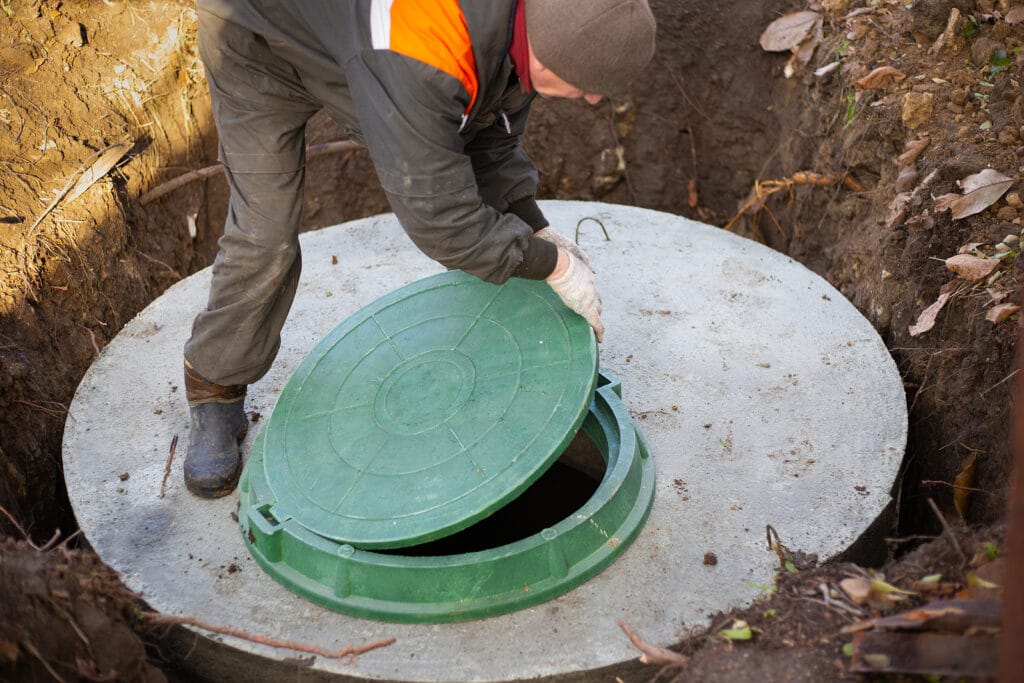
In order to determine the exact cost of installing an entirely new septic system it’s important to look at more than the price. It’s not just a case of replacing the tank with a brand new one. Many components and services are included in the total cost. Each step, from getting permits, to hiring experts and excavation to installation, is a cost. Homeowners should budget accordingly.
Cost of septic tanks, leach fields and their installation are a few of the aspects to take into consideration. The price for a new tank is determined by the size, the material used, and the complexity of the installation. It will also depend on the geographical location of the property local laws, and the soil conditions. Consult with septic experts to assess your needs and get an accurate estimate. They’ll be taking into consideration elements like the size and shape of your leach field to ensure that you are aware of the total cost involved with your replacement septic system project.
Aside from the tank itself an additional major cost is the leach field, also known as a drainfield. This element is vital to the treatment and dispersal of the wastewater. Repairing a damaged or malfunctioning leach field is a meticulous process and can significantly impact the overall septic replacement cost. When calculating the total cost, it is essential to consider elements like the size and composition of leach fields as well as accessibility and the soil composition.
The cost of installing a new septic system are not just tangible, they are also intangible. The process could disrupt your daily routine by requiring to temporarily leave your home, or restrict the use of water while installation is in progress. This inconvenience should be incorporated into your plans, since they may impact your daily routine, and possibly lead to additional costs such as accommodation expenses or changes to your routine.
Additionally, it’s important to realize the importance of regular maintenance and upkeep of your septic system are crucial to ensure its longevity and minimize the chances of premature replacement. Failure to maintain your system regularly could lead to more serious issues in the near future, like damage to drainfields, or even tank failure. Integrating maintenance costs for septic systems in your budget is a wise investment that could save you money over the long term.
It is likely that you have already realized how challenging it can be to determine the total cost for a new septic tank. This requires careful consideration of many factors that range from the size and design of tank, to the complexity installing it or the condition and status of the leachfield. The location of your house and local regulations could impact the cost. It is vital to seek advice from professionals who are experienced in replacing the septic system.
If you’re thinking of replacing your septic, you may be amazed by the hidden costs. Costs can quickly add up, and you must be aware prior to making any decisions. For more information, click cost to replace septic tank
Some of the hidden expenses of septic system replacement include:
The costs of permits and inspections. Before you begin work to replace your septic tank, you will require a permit from the local authorities. These permits could be expensive and you could be required to pay for inspections.
The expense of excavation and removal. The old septic will have to be removed and dug up prior to a new system is installed. This can be a costly procedure, especially if the system is located in a difficult-to-access area.
The expense of backfilling and Grading. Once the old system has been removed, it will be required to grade and backfill the hole. It is vital that the new drainage system drains properly.
Costs of landscaping. Once the new system has been put in place, you may have to plant some trees to make your area appear tidy and neat. It can be costly when you decide to employ a professional landscaper.
It is important to consider these hidden expenses when you’re planning the replacement of your septic system. You can avoid unexpected surprises in the future by taking your time planning ahead.
Eco-friendly system for septic is a good option for homeowners who have the luxury of a budget. Not only are they cost-effective alternatives to conventional septic systems, but they also assist in preserving the environment by minimizing runoff and decreasing water pollution. Furthermore, eco-friendly septic solutions are becoming more accessible and affordable, which makes the ideal choice for those seeking to lower their impact on the environment without spending a fortune. Although there are some initial costs associated with changing to an eco system, the savings in time will more than make up the cost of the initial costs. It’s not just a trendy trend and a lifestyle change that everyone should consider if they are serious about protecting our planet for future generations. When you install the correct system, you can be sure that your home will run efficiently in a timely manner, at a low cost for maintenance.