

That’s why the conversation around antibiotics usually starts and ends with this one drug. If you’ve ever sat in a doctor’s office with a throbbing earache or a throat that feels like you’re swallowing glass, you likely walked out with a prescription for amoxicillin. It’s a staple for a reason, but it’s better to understand how it actually works rather than just popping pills because a clinician said so.
Amoxicillin is a penicillin-type antibiotic used for various bacterial infections. It’s part of the aminopenicillin group, a subset of β-lactam antibiotics. It doesn’t work by poisoning bacteria directly; instead, it stops them from growing by messing with their cell walls. Essentially, the bacteria can’t maintain their structure, so they rupture and die.
Keep in mind that this isn’t a magic fix for everything. It only targets bacteria. If you have a virus, like a cold or the flu, amoxicillin won’t do anything to help you feel better. Taking it when you don’t need it is a bad move because it won’t touch the virus and might just upset your gut flora. AMOXIL should be used only to treat or prevent infections that are proven or strongly suspected to be caused by bacteria.
How the Aminopenicillin Mechanism Actually Functions
To understand why amoxicillin is so common, you have to look at how a bacterium stays alive. They have protective outer layers called cell walls that manage internal pressure. Without a strong wall, the cell basically explodes. Amoxicillin works by blocking the enzymes that build these walls, which prevents the bacteria from finishing their life cycle.
Since it targets the cell wall, it works best against “growing” bacteria. If the bacteria aren’t in the process of building new walls, the drug has a harder time. This is why timing is so important when you’re taking your doses. You need a steady concentration of the drug in your blood to catch the bacteria while they’re in those vulnerable, growing phases.
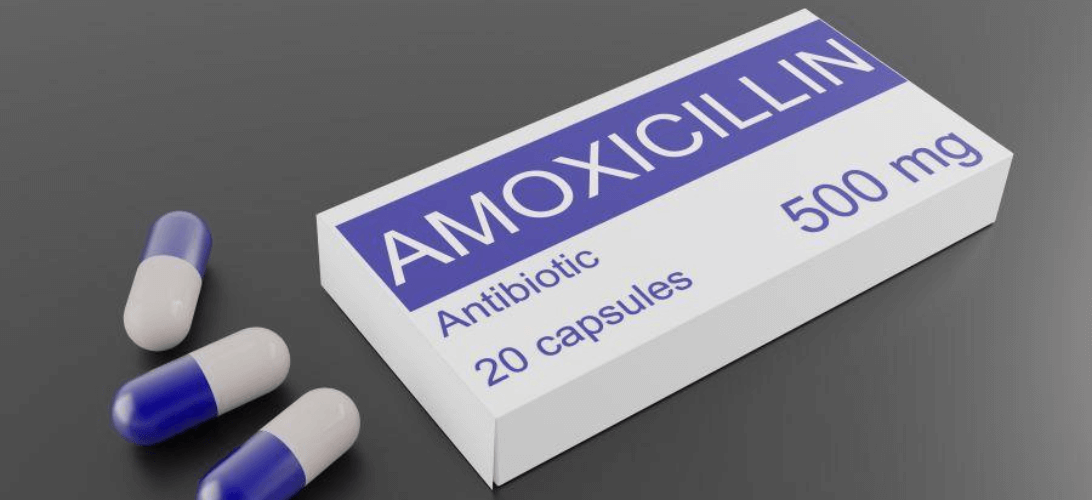
The medication comes in different forms depending on who is taking it. Adults might take 500mg capsules, but for kids, the dosing has to be much more precise to avoid toxicity. Some people find it easier to coordinate their prescriptions through a trusted source like Wiga Pharma Online Apotheke when managing several different medications.
It helps to see how these doses look in a clinical setting. A doctor will decide what you need based on your weight and how bad the infection is, but this table gives a general idea of common versions:
| Formulation | Common Use Case | Typical Context |
|---|---|---|
| Capsules (250mg/500mg) | Adult infections | Strep throat, sinus infections |
| Extended-Release Tablets | Long-term management | Controlled release of the drug |
| Oral Suspension (Powder) | Pediatric use | Mixed with water for easier swallowing |
Even with all these different options, the core idea is the same: breaking down the bacterial cell wall. This makes it effective against certain pathogens while leaving others alone.
Common Infections and the Spectrum of Use
Doctors don’t just hand these out for any cough. They’re looking for specific bacterial markers. One of the most frequent uses is for strep throat. If a rapid strep test comes back positive, amoxicillin is often the first choice to prevent complications like rheumatic fever.
It’s also used for ear infections (otitis media), which happen all the time in children. Because kids have a hard time swallowing big pills, doctors often use the liquid version. You might have to mix amoxicillin powder with water to get a specific concentration, like 250mg/5ml, to make sure the dose is right for a child’s weight.
Sinus and skin infections are other areas where this antibiotic is used. It covers a lot of common bacteria found in our respiratory tract and on our skin. However, it only works if the specific bacteria in your body are susceptible to penicillin-class drugs.
Amoxicillin can also be used with other drugs. Sometimes a doctor will prescribe it alongside a beta-lactamase inhibitor to get around bacterial resistance. This combination helps the amoxicillin reach the bacteria without being destroyed by the defenses the bacteria have evolved.
You might end up dealing with several infections at once, which is exhausting and makes it hard to focus on anything but how much you hurt, but that’s usually when finishing the full course of treatment becomes so vital.
It’s a lot to manage when you’re sick.
Navigating Side Effects and Patient Safety
No medication is perfect, and amoxicillin is no exception. The most common issues involve your digestion. Because the drug is meant to kill bacteria, it doesn’t always distinguish between the “bad” bacteria causing the infection and the “good” bacteria in your gut. This is why nausea, vomiting, or diarrhea happen.
Then there are allergic reactions. Since it’s a penicillin-type antibiotic, if you have a known penicillin allergy, you have to avoid it. This can range from a mild rash or hives to a life-threatening situation called anaphylaxis. If you have swelling in your face or trouble breathing, that’s an emergency.
There’s also the possibility of secondary infections. While amoxicillin is fighting the main infection, other organisms like yeast can take advantage of the shift in your body’s environment. This is why some people get oral thrush or vaginal yeast infections during a course of antibiotics.
To help with this, you might be told to take the medication with food. It won’t make the antibiotic work less, but it can definitely help with stomach upset. Just follow whatever specific instructions your pharmacist gives you about whether to take it on an empty or full stomach.
- Common Side Effects: Nausea, diarrhea, stomach pain, and skin rash.
- Serious Risks: Anaphylaxis (severe allergic reaction) and C. diff-related diarrhea.
- Mitigation Strategies: Taking with food and eating probiotic-rich foods.
The Problem of Antibiotic Resistance and Compliance
Antibiotic resistance is a massive issue in modern medicine, and amoxicillin is right in the middle of it. When people take antibiotics incorrectly, they contribute to a much bigger problem. This happens when bacteria are exposed to the drug but not killed off entirely, allowing the survivors to adapt and develop defenses.
The biggest mistake is stopping the medication as soon as you feel better. If you have a five-day course and feel fine on day three, you might be tempted to toss the bottle. But those lingering bacteria are still there, and they’re the ones most likely to develop resistance. You have to finish the entire prescription exactly as it was written.
This isn’t just about your own health; it’s about public health. Misusing antibiotics creates “superbugs” that are much harder to treat for everyone. This makes common infections more dangerous and harder to manage in hospitals. We have to break this cycle through better prescribing and better patient compliance.
It’s also about the context. If you’re taking it, make sure you actually have a bacterial infection. Using an antibiotic for a viral cold is one of the fastest ways to contribute to this problem. If you’re feeling under the weather, let the doctor decide if the medicine is actually necessary.
It’s better to be safe than to be part of the problem.