
You spend an hour scrolling through a longevity podcast, scribbling notes about mTOR inhibition, and suddenly you realize that your biological age might be something you can actually influence. But then comes the question that stops the excitement dead: how much is this going to cost me every month?
The short answer is that rapamycin is surprisingly affordable if you know where to look. The price fluctuates depending on whether you are buying brand-name drugs or generic versions. If you use a GoodRx coupon, you can find Sirolimus (the generic name for rapamycin) for as low as $69.80. That is a 95% savings compared to the $1,283.78 average retail price for the most common version.
Decoding the Brand-Name vs. Generic Gap
If you walk into a pharmacy and ask for the brand-name version, Rapamune, prepare to reach for your wallet. Retail prices can be eye-watering, often landing in the $800 to $1,500 range per month. This is the version typically prescribed for organ transplant recipients, and the “brand premium” is significant. Because Rapamune is formulated with specific bioavailabilities designed for post-surgical patients, the manufacturing costs and patent protections keep the price ceiling high.
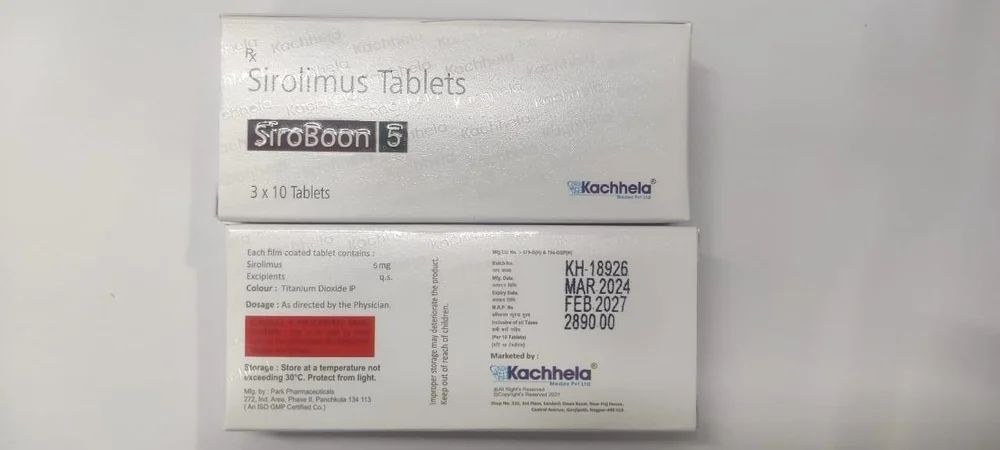
The longevity community rarely touches the brand name. Instead, people look toward generic Sirolimus. Because the drug is off-patent, the price drops significantly. Most people find the generic version is inexpensive. In fact, for a 0.5 MG tablet, most customers pay around $10 for a single unit of this medication.
The gap between these two options is staggering. One person pays a thousand dollars for the same active ingredient that another person gets for under seventy. It isn’t just a small difference; it is a different financial category entirely.
It’s a bit wild.
When you look at the numbers side-by-side, the math is very clear. If you are planning a long-term protocol, you have to understand that the “sticker price” you see on a prescription is rarely what you actually end up paying at the pharmacy counter.
| Medication Type | Estimated Monthly Cost | Notes |
|---|---|---|
| Brand-Name (Rapamune) | $800 – $1,500 | Highest cost, brand name |
| Generic (Sirolimus) | $60 – $150 | Commonly used for longevity |
| GoodRx/Discounted | ~$69.80 | Requires specific coupon |
The Rise of Compounded Solutions and Subscription Models
Specialized medical subscription services are a new player in the longevity space. Companies like Healthspan have changed the math by bundling the drug with the clinical oversight needed to use it safely. Rather than just buying a bottle of pills, these services offer integrated protocols.
For instance, Healthspan rapamycin protocols start at $64/month. This isn’t just the price of the pills; it’s a full package that includes advanced lab testing and medical monitoring. This is a big deal for people who want to ensure they aren’t just taking a drug blindly.
Compounding is another route. Compounded rapamycin is a customized version of the medication, often prepared by a pharmacy to meet specific dosage needs that standard tablets might not offer. For many longevity enthusiasts, the standard 1mg dose is too high for intermittent “pulsed” dosing, which is the common protocol used to minimize side effects. Compounding allows for much smaller, more precise increments, such as 0.5mg or 0.75mg, which are harder to achieve by splitting commercial tablets. This typically runs between $60 and $150 per month.
It feels much more professional.
These subscription models aim to solve the medical oversight problem. Taking an immunosuppressant-class drug without blood work is risky, so these services bridge the gap between a standard pharmacy and a boutique longevity clinic.
The Hidden Costs: Labs and Monitoring
While the price of the pill itself might be low, the real cost of a longevity protocol often lies in the diagnostic data required to run it safely. You aren’t just paying for the drug; you are paying for the peace of mind that comes from knowing your levels are stable.
When practicing intermittent rapamycin dosing, you need to monitor specific markers to ensure you aren’t causing unintended physiological shifts. A comprehensive longevity protocol should include:
- Lipid Panels: mTOR inhibition can sometimes cause an uptick in triglycerides or cholesterol levels.
- Blood Glucose/HbA1c: While rapamycin is being studied for insulin sensitivity, it can have complex effects on glucose metabolism in certain individuals.
- Complete Blood Count (CBC): Because rapamycin can impact white blood cell counts, regular monitoring is essential to ensure you aren’t becoming immunocompromised.
- Liver Function Tests (LFTs): To ensure the liver is processing the medication without stress.
If you are managing this on your own, you will need to factor in the cost of these lab tests. Private pay prices for these panels can range from $50 to $300 depending on whether you go through a clinic or a direct-to-consumer lab service like Quest or Labcorp. When calculating your monthly budget, you must add these recurring laboratory costs to your pharmacy bill to get a true “cost of living” estimate for your longevity journey.
Navigating Insurance and Prescription Hurdles
Getting a prescription can be more difficult than the actual payment. You might wonder if your insurance will cover it, and the answer is complicated. Because rapamycin is primarily an immunosuppressant, insurance companies often want to see a very specific diagnosis before they agree to pay.
If you are seeking the drug for longevity, your insurance provider might balk. They see a healthy person asking for an immunosuppressant and they see a liability. This is why many people in the biohacking community end up paying out-of-pocket using the discount methods mentioned earlier.
Insurance providers set prices that vary wildly. Even with insurance, the copay might be higher than the cash price if you don’t use a discount card. It is a strange quirk of the American medical system where the “insured” price can sometimes be higher than the “cash” price.
Getting a script is the first step.
Once you have the prescription, the battle moves to the pharmacy. Many people find success by using online pharmacies or large-scale retailers where generic availability is highest. Always ask for the “cash price” before you let them run your insurance; you might be surprised by how much you save by simply saying “no thanks” to the insurance processing.
Finding Reliable Sources and Avoiding Scams
The internet is full of “wellness” websites claiming they can ship you experimental longevity compounds directly to your door. Please be careful. The market for rapamicina is growing, and with that growth comes the inevitable rise of shady actors.
You should never buy medication from a source that does not require a valid prescription from a licensed physician. If a website is offering “research chemicals” that look suspiciously like medication but claim they are “not for human consumption,” they are likely trying to bypass FDA regulations. This is a dangerous game to play with your health. These products are often manufactured in unregulated facilities where potency and purity cannot be guaranteed.
Stick to legitimate, well-known entities. Whether it is a brick-and-mortar pharmacy or a recognized online provider, the legitimacy of your source is the most important factor in your safety. We have seen plenty of people try to save a few dollars only to end up with impure substances that cause more harm than good.
When in doubt, ask for a COA. A Certificate of Analysis can prove that the substance in the bottle is actually what the label says it is.
The following list outlines the safest way to approach your procurement:
- Get a prescription from a doctor who understands longevity protocols.
- Use established pharmacies (Amazon, local retail, or reputable mail-order).
- Apply GoodRx or similar discount coupons to generic Sirolimus.
- Verify the source if using a compounding pharmacy.
- Avoid “gray market” websites that bypass medical oversight.
If you decide to go the DIY route, always verify your pharmacy’s credentials through the National Association of Boards of Pharmacy.
Check your local pharmacy’s cash price before you even step inside the building.