

Global sourcing means more than just finding the lowest prices or the most efficient suppliers. Buyers today face a myriad of difficult challenges, which include interruptions in supply chain and quality issues. They also must deal with rapidly changing market conditions. In this scenario, having a B2B marketplace that is trustworthy is more than a convenience. It’s essential for businesses to transact across borders.
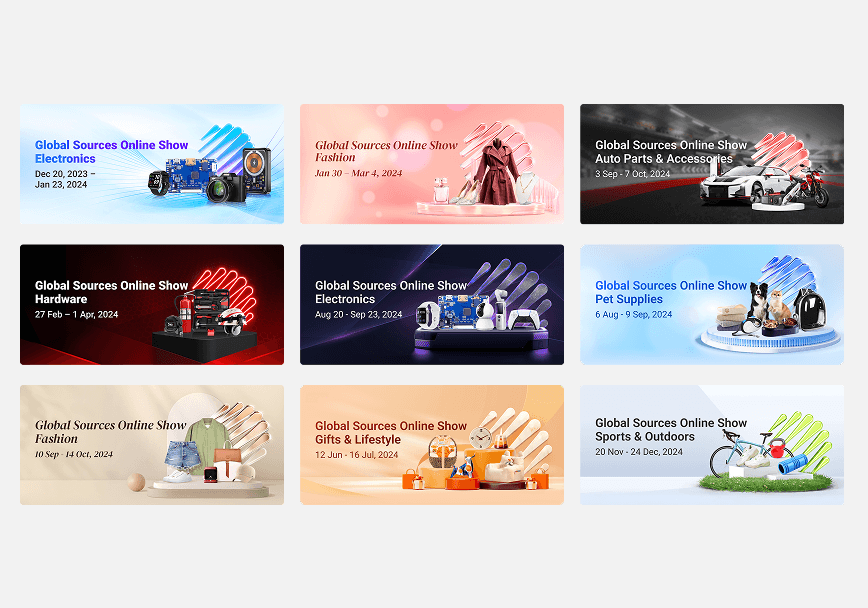
Modern B2B platforms are created to address real-world issues. Instead of bombarding buyers with endless options it is focused on connecting genuine buyers to authentic suppliers that are prepared for long-term cooperation. This shift from quantity to quality has profoundly altered the way global trade relations are created and maintained.
Beyond simple supplier listings
The old methods of sourcing were dependent on a cold approach using a limited amount of information, and the guesswork. Buyers spent weeks reviewing and comparing supplier capabilities and evaluating risk. A well-structured B2B online marketplace eliminates a lot of the hassle by providing pre-verified supplier profiles, transparent product information, and access to historical performance indicators.
Context is what provides the real value. Expert insights, market research and analysis of industry trends help buyers know the reasons and when to look for. This helps companies anticipate price changes or fluctuations in demand, as well as the emergence of new business opportunities.
The advantages of an offline-to-online Sourcing model
Human interaction plays a significant part in establishing trust, even although digital tools dominate modern day sourcing. Here, the Online-to–Offline (O2O model) is at its best. Buyers can research suppliers online, select partners efficiently, and then build those relationships via offline engagements such as trade shows or business-matching events.
In many instances the decision to purchase is made quicker if a customer experiences the product in person and talks about customization options with the manufacturer. These offline experience can be enhanced through mobile applications, digital platforms, and centralized communication. Sources become more efficient and less fragmented.
Supporting buyers throughout the entire purchasing journey
A reliable B2B platform for sourcing does not go away once a buyer has found an organization. It continues to add value through specific suggestions as well as exclusive buyer programs and initiatives that are driven by community. These features help buyers discover new categories, look for innovative products, and gain access to opportunities they could otherwise miss.
The buyer communities and incentive programs also help to create an atmosphere of continuousity. They promote repeat engagement, knowledge sharing and long-term collaboration instead of singular transactions. Over time, the eco-system approach builds trust and benefits all parties.
Incorporating the Global Market Changes
Global trade is constantly influenced by the changing economy, regulations updates, and the changing expectations of consumers. A customer-centric B2B online marketplace adapts alongside these changes by expanding digital capabilities, refining matching algorithms, and enhancing data-driven insights.
Sustainability is also more important. Buyers are seeking suppliers who have ethical business practices and adhere to responsible manufacturing. By highlighting sustainable options and encouraging transparency modern sourcing platforms assist businesses fulfill their social and economic obligations without sacrificing effectiveness.
Building Trusted Relationships to Create Long-Term Value
Trust is the basis of a successful B2B-sourcing system. Trust in the reliability of the suppliers, in the quality of the information and in platform’s commitment for long-term value. When these three elements are joined it becomes a strategic resource instead of a risky or time-consuming process.
In a world of speed, reliability and information, a B2B reliable online marketplace gives companies more than an access point; it offers them confidence. Confidence to make informed decisions as well as to establish lasting partnerships and grow sustainably in a more interconnected global economy.