

In the rapidly changing world of e-commerce and digital retail, the ability to graphically portray products in a realistic way that is interactive has altered the game. In the furniture industry, the appearance of the furniture, its fit and feel of the furniture is a key factor in determining the decision to purchase. Take the 3D product configurator, an innovative tool that is changing the way consumers shop for furniture on the internet and in store.
Rise of 3D Product Configurators
A 3D product configurer is a software that allows users to engage with the product three-dimensionally. A 3D product configurator permits users to move or zoom in on products live, unlike static images. This technology has become increasingly used in the furniture business as it provides a lively and exciting shopping experience.
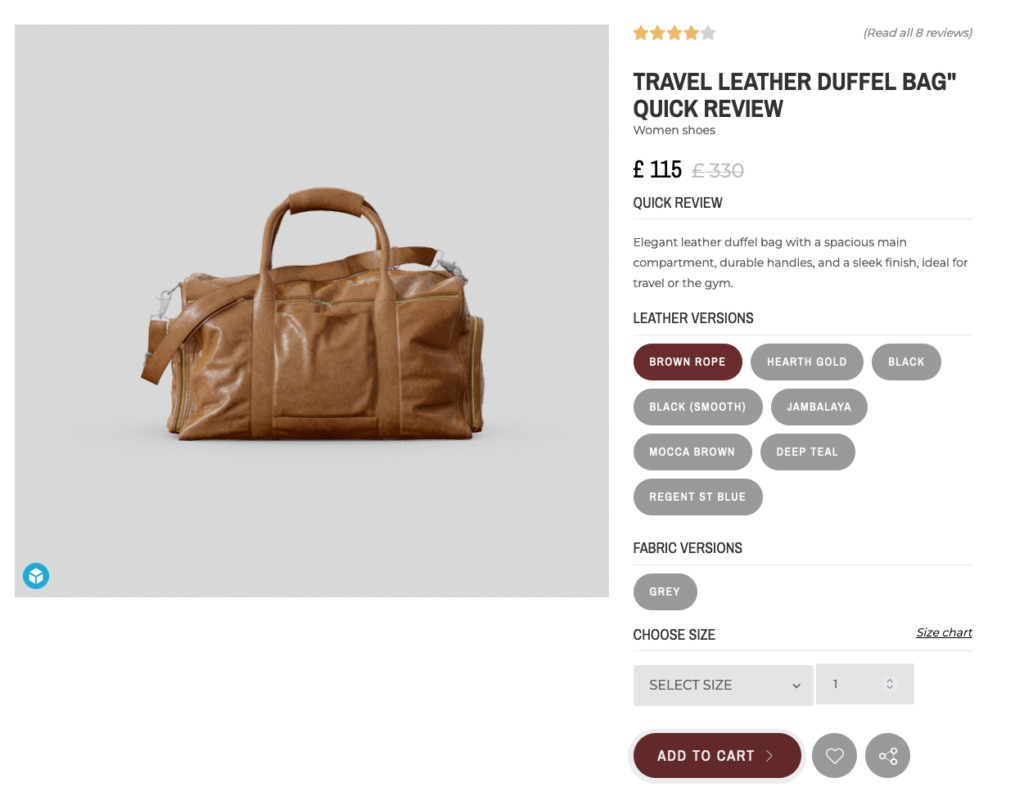
Online furniture configurators improve customer experience
A furniture configurator allows clients to enjoy a personalized experience. Customers can visualize how furniture appears from every angle, alter colors the materials, colors, and finishes and see how it would fit in their space. The interactive shopping experience not only helps in making the process more enjoyable, and more knowledgeable.
The 3D configurator from Virtenzo, for example, allows users to completely alter their shopping experience by providing stunning 3D imagery and customization options. This level of interaction helps bridge the gap between the physical and online stores, thereby making customers feel more confident in their choices.
Interactive 3D Furniture Configurators for Furniture: Increased Online Sales
3D product configurators have a significant impact on online sales. Studies have shown that interactive 3D images could result in more conversion rates as well as lower rate of return. If consumers can clearly understand what they’re buying, they will be more likely to make the purchase.
A 3D furniture configurator also allows retailers to showcase a vast range of product variations without the need to produce and photograph each one. It allows retailers to present a an array of items and cater for different customer preferences.
Immersive 3D configurators The future of furniture shopping
Immersive 3D configurators will shape the future of furniture shopping as technology develops. They will become more advanced as they integrate features like augmented reality (AR) or virtual reality (VR), and other technologies to enhance the shopping experience.
For example, customers could utilize AR to visualize furniture pieces in their living room via their smartphones or VR to go through the virtual showroom and experience objects in a realistic environment. This kind of technology will help make shopping more personalized and interactive.
Implementing 3D Product Configurators: A Guide for Furniture Makers
Implementing the 3D Product Configurator may be daunting for furniture makers or retailers. The benefits of using it outweigh the risks. Here’s the step-by-step process for getting started:
Choose the Right Platform. Select a platform that will meet your goals and business needs. Features such as the ability to customize, integrate and scale are vital.
Make 3D models that reflect the top-quality furniture. It might be necessary to hire professionals in order to ensure accuracy.
Integrate Your Website with Your Store Work with your web development team to integrate the configurator seamlessly into your online store. Make sure it’s mobile friendly to allow users to access it on any device.
Improve your experience by adding AR/VR. Add VR or AR to make it even more immersive.
Marketing Your New Tool Promoting your 3D configurator using your marketing channels. Present the benefits and features of your new tool customers. Offer tutorials that show users how to use it.
Conclusion
The introduction of 3D product configurators has revolutionized the furniture industry and delivering unparalleled customer experiences and increasing sales. These tools, which allow customers to alter the product’s appearance and interact with them in real-time in order to make shopping more enjoyable and informative, help bridge the gap that exists between online and store shopping. The use of AR/VR will be transforming the shopping landscape as technology advances. Immersive shopping experiences are the new norm. For furniture retailers and manufacturers adopting this technology is not merely a choice but a necessity to stay competitive in the age of digital.