

Data is the single most valuable resource in modern day business. It can help or ruin an organization. Power BI, Microsoft Fabric and other tools that are powerful are used by businesses to unleash the full potential of their data. These platforms are at the core of business intelligence and, when combined with Azure Data Factory they become an extremely powerful tool in data analytics and decision-making.
Power BI Your Business Intelligence Companion
Power BI, which is a product of Microsoft, is a complete business intelligence tool that is designed to aid organizations in analyzing and share their insights from data. It lets users build interactive dashboards and reports, transforming raw information into valuable insight.
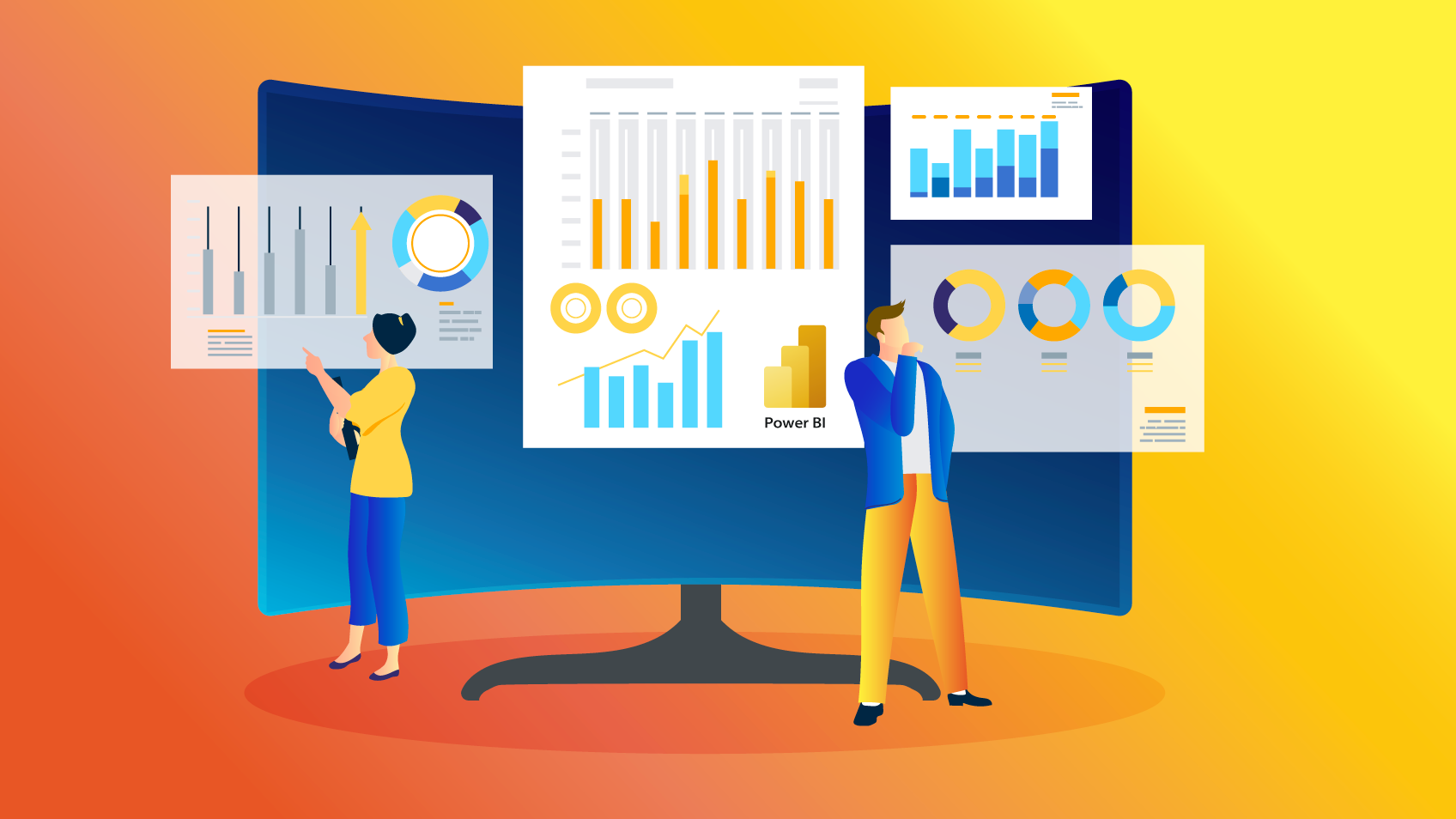
Power BI is scalable to satisfy your business’s requirements. It integrates with multiple sources of data, making it simpler for users to consolidate data from different platforms and databases. With its simple drag-and-drop interface, even non-technical users can quickly produce meaningful reports and analyses.
Power BI’s platform allows for real-time data processing. This means you are always working with accurate data. The platform provides a variety of visualizations that allow users to present data in a digestible, compelling way. The possibility of sharing and collaboration reports with colleagues enhances decision-making and promotes a data-driven culture within your organization.
Microsoft Fabric The weaving Together of Data Innovation
Microsoft Fabric is a framework that orchestrates and connects data from Microsoft services. Fabric is the thing that connects data to form a seamless entity that can be utilized by businesses.
Microsoft Fabric is the foundation of consistency and data integrity when businesses have to deal with increasing volumes of data. Microsoft Fabric incorporates a range of services, such as Azure Data Lake Storage (Azure SQL Data Warehouse), Power BI, and others. The interconnectedness of the platform ensures data flow and insights across multiple sources.
Microsoft Fabric excels in data transformation. Utilize it to tidy up and prepare data to be analysed. You can also use it to ensure data adheres to the policies of your company’s data governance. Microsoft Fabric is an infrastructure that will ensure your data is accurate and reliable for analytics.
Azure Data Factory: The Gateway to Data Transformation
Azure Data Factory is another essential component in the modern business intelligence landscape. It is a cloud data integration tool that lets you build, plan and manage workflows that are driven by data. Azure Data Factory provides meaningful insights through orchestration of the movement of data and its transformation.
Azure Data Factory’s versatility in connecting to various data sources is one of its key advantages. Data can be integrated seamlessly, whether it is located on premises, in the cloud or both. This gives you complete visibility of the entire ecosystem regardless of where the data is located. It allows batch processing, streaming of data in real-time, and big data analysis, which makes it ideal for a variety of situations.
Azure Data Factory has a visually-oriented user interface that eases developing data pipelines. Even if you are not a professional coder, it’s simple to create plans, schedules and track data pipelines. This empowers business users to take control of their data integration workflows and opens the door to self-service data preparation.
The Power Trio: Power BI, Microsoft Fabric, and Azure Data Factory
When Power BI and Azure Data Factory are combined, they can create an impressive trio that can enhance your data analysis capabilities. This is how they interact:
1. Data Integration: Azure Data Factory can connect to multiple data sources to ensure your data is available. The ability to integrate data is integrated into Microsoft Fabric, which orchestrates data across a variety of services. This ensures that your data is well-organized, clean and is ready for analysis using Power BI.
2. Data Transformation: Microsoft Fabric is a crucial component of data transform. It lets you transform your data to meet your needs. It doesn’t matter if you’re data wrangling cleansing, or changing the data, the fabric will ensure that the data is prepared to yield meaningful information.
3. Power BI is able to take over after your data has been prepared and refined. It lets you create visually appealing dashboards and reports and makes complex data simple to comprehend. These insights can be shared with your team to inspire data-driven decisions.
4. Scalability: Azure Data Factory is adaptable to handle growing amounts of data. Power BI combined with Microsoft Fabric gives you reliable data as your company grows.
5. Real-time Insights: Using real-time data processing capabilities, Power BI and Azure Data Factory give you the most current information which are essential for making quick decisions.
Also, you can read our conclusion.
To stay competitive in the business intelligence world businesses must be able to leverage data effectively. Power BI combined with Microsoft Fabric and Azure Data Factory can take your business analytics to the next level. These three components can help users create stunning visualizations that improve data consistency and streamline processes. Make the most of data with business intelligence.