
Most people think the pharmacy is just a place to pick up a box of pills and leave, but in the Netherlands, that’s a massive misunderstanding of how the system actually functions. You don’t just walk in and grab what you need off a shelf like you might in a supermarket or a drugstore in other countries. It is a highly regulated, closed-loop system where the pharmacist acts more like a gatekeeper than a shopkeeper.
The short answer is that you cannot self-medicate for anything serious here. If you want a prescription drug, you need a doctor’s note, and if you want something stronger than a basic painkiller, you are going to have to talk to a professional first. The system is designed to prevent waste and ensure you aren’t mixing things that will make you ill. It makes things incredibly efficient, though it can be frustrating if you’re used to having total autonomy.
Can I just walk in and buy medicine?
You can buy small things, but don’t expect to find a wide array of potent drugs sitting on open shelves. Most shops that look like pharmacies are actually drugstores, which sell things like vitamins, bandages, and mild cough syrups. They are fine for a sore throat, but if you have a real infection, they can’t help you much.
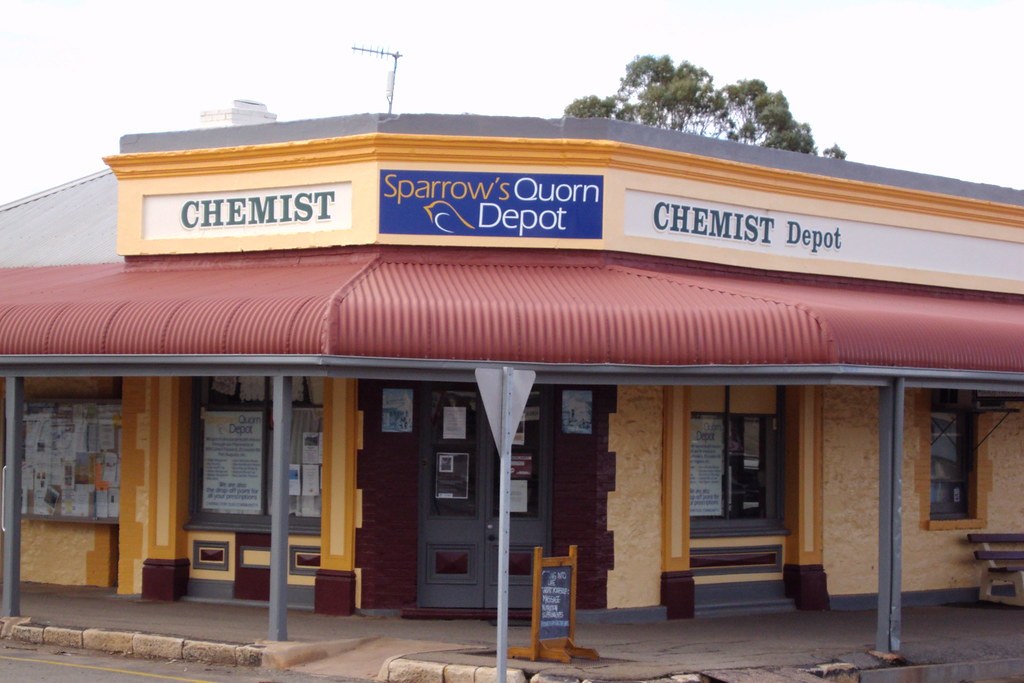
A real pharmacy is a clinical environment. You will see the white coats, the glass partitions, and the computers that track every single thing that goes out the door. If you walk in asking for antibiotics because you have a tickle in your throat, the answer will be a firm “no.” You cannot bypass the doctor. This is non-negotiable. You need a recept (prescription) sent digitally from your GP.
The interaction is often brief and very clinical. The pharmacist isn’t there to chat about your day; they are there to check your dosage and ensure the medication doesn’t clash with your existing health profile. It’s efficient, yes, but it can feel cold if you’re expecting a friendly exchange. You might find yourself standing there waiting for your name to be called while the person in front of you gets a detailed consultation on their insulin levels.
If you are an expat or a visitor, this transition might feel jarring. You can’t just grab a bottle of something strong to deal with a sudden fever. You have to navigate the huisarts (GP) system first. This is the bottleneck of the entire Dutch healthcare model. It’s a slow process if you aren’t used to it, but it’s why people rarely end up with dangerous levels of medication in their medicine cabinets.
How does the prescription process actually work?
The process starts with your doctor. In the Netherlands, the GP is the center of the universe. They decide what you need, and they send an electronic message directly to your chosen pharmacy. You don’t usually carry a piece of paper in your hand anymore; it’s all digital. This prevents errors, but it does mean you have to wait for the data to sync between systems.
Once the pharmacy receives the digital order, they prepare it. You can walk in, have it delivered, or use a collection box if it is after hours. If you are using a local pharmacy like amsterapotheeks.com, you’ll find that the logistics are fairly streamlined once you are registered in their system. You need to be a “patient” of that pharmacy for the process to be truly smooth.
When you finally go to collect your pills, you’ll need your ID and your insurance card. They will ask several questions. They aren’t being nosy; they are checking for contraindications. They might ask if you are taking anything else, even things like herbal supplements or vitamins you bought at the drugstore. This is where the “gatekeeper” role becomes practical. They are looking for the interaction between drugs, which is where things get dangerous.
The cost is another layer. Most prescription medications are covered by your basic insurance, but you will almost certainly hit your eigen risico (deductible) before the insurance kicks in to pay for the rest. This means even if the pharmacy says the medicine is “covered,” you might still be paying for it out of your own pocket until your yearly limit is met. It’s a common trap for newcomers who assume “covered” means “free.”
What are the different ways to get my meds?
You have a few different paths for managing your medication, and picking the wrong one can be a headache. Most people stick to the local neighborhood pharmacy because it’s easy. But if you are a frequent traveler or someone who hates waiting, there are other options. It is a trade-off between convenience and the depth of service you receive.
Some pharmacies offer delivery services, which is a lifesaver if you are stuck in bed with a nasty flu and cannot make it out of the house. Others are part of large chains that might be open slightly longer hours. You also have the option of online pharmacies, but be very careful here. In the Netherlands, there is a distinction between legitimate digital services and shady websites that promise “cheap” drugs. If a site doesn’t ask for a prescription, it’s a scam.
I’ve seen people try to navigate the system by going to multiple different pharmacies to avoid certain checks, but that is a terrible idea because each pharmacy only sees their own records, not the whole picture of what you are taking. If you want safety, stay with one pharmacy. They build a digital history of your medications, which is the most important tool they have for keeping you safe.
| Service Type | Best For… | Main Downside |
|---|---|---|
| Local Pharmacy | Chronic conditions and regular prescriptions. | Limited opening hours. |
| Drugstore (Drogist) | Vitamins, bandages, minor ailments. | No prescription-strength medicine. |
| Online Pharmacy | Convenience for non-critical refills. | Risk of counterfeits if not verified. |
| Hospital Pharmacy | Specialized, high-stakes medication. | Very difficult to access for general use. |
Is it expensive to use a pharmacy?
The cost isn’t just about the price of the pill; it’s about the service and the insurance structure. Every time you walk into a pharmacy and they process a prescription, there is a fee for the “dispensing service.” Even if the medication is cheap, you are paying for the pharmacist’s time and the computer systems used to track it. This is often a separate line item on your bill.
If you are on a budget, you should ask about preferentiebeleid. This sounds complicated, but it basically means your insurance company has decided that one specific brand of a drug is the “preferred” one. If you ask for a different brand, they might not pay for it, leaving you with the full bill. It’s a way for insurance companies to squeeze costs, and it can be incredibly annoying if you have had success with a specific manufacturer in the past.
Are you prepared for the sudden spike in your monthly healthcare costs when you suddenly realize you haven’t met your deductible yet? It happens to everyone. One month you are fine, and the next, a sudden bout of illness requires a string of prescriptions that eat up your entire annual deductible in one go. It is a shock to the system, literally and figuratively.
To manage this, always ask for the generic version if it is allowed. Most of the time, the active ingredient is exactly the same, but the name on the box might be different. The pharmacist can tell you if there is a significant difference in how it’s absorbed or if it’s just a branding issue. Don’t be afraid to ask them to explain the cost breakdown; they are required to be transparent about what is coming out of your pocket versus what is covered.
How do I deal with language barriers and errors?
English is widely spoken in the Netherlands, so most pharmacists will understand you if you speak clearly and avoid heavy slang. However, medical terms are a different beast entirely. Even if you speak excellent English, a misunderstanding about “once a day” versus “once every few hours” can lead to a very bad situation. It is always better to ask them to write the instructions down clearly on the box.
If you receive a medication that looks different from what you usually take, do not assume it is a mistake. Sometimes the manufacturer changes, or the pharmacy switches to a generic. But if the shape, color, or texture is completely different, ask them immediately. It is much easier to fix a mistake while you are standing at the counter than it is when you are halfway through a dose at home.
If a mistake does happen, you have rights. The pharmacy is responsible for the accuracy of the dispensing. If they give you the wrong dosage, they need to rectify it immediately without extra charge. Don’t let them intimidate you with technical jargon. You are the consumer, and you are the one who has to ingest the substance, so your understanding of the instructions is the most important factor.
Keep a list of everything you take in your wallet or on your phone. If you ever end up in an emergency room, the doctors there will want to know exactly what is in your system. Providing a clear, concise list is much better than trying to remember the specific name of a brand-name blood pressure medication while you are in pain. It saves time and it saves lives.
Don’t expect things to be easy, but do expect them to be organized.
FAQ
Do I need a prescription to buy medicine at a Dutch pharmacy?
Yes, prescription-only medications require a doctor's prescription, while over-the-counter drugs are available without one.
Can I use my international health insurance at a pharmacy in the Netherlands?
Most pharmacies accept European Health Insurance Cards (EHIC), but you should check if your specific insurance requires upfront payment and reimbursement.
What are the opening hours of pharmacies in the Netherlands?
Standard pharmacies typically operate during business hours, but many offer emergency services or have 24-hour duty pharmacies in larger cities.
Can I pick up my prescription at a pharmacy if I am a tourist?
Yes, as long as you have a valid prescription from a doctor, though you may need to pay the full cost upfront if you lack Dutch insurance.
Is it possible to get a medical consultation at a pharmacy?
Pharmacists can provide advice on minor ailments and over-the-counter medication, but for serious issues, you must visit a GP (huisarts).